

How PJM’s Market Power Impacts West Virginia — and Why Coal Still Matters
West Virginians are often told rising electric bills are simply the unavoidable cost of “modernizing the grid” or transitioning to cleaner energy. That explanation may sound good in a press release — but it ignores how electricity prices are actually set.
To understand why power costs keep climbing, you have to look beyond your local utility and toward PJM Interconnection, the regional grid operator that quietly wields enormous influence over electric prices in West Virginia.
PJM Doesn’t Send You a Bill — But It Shapes What’s On It
PJM does not directly set retail electric rates. That job belongs to utilities and the West Virginia Public Service Commission. But PJM controls the wholesale electricity markets — the prices utilities must pay before electricity ever reaches your home.
Those wholesale costs are not trivial. In many cases, nearly half of a residential power bill is driven by PJM market outcomes. When PJM prices rise, utilities pass those costs straight through to consumers.
PJM may not mail your bill — but it heavily influences the number at the bottom.
The Real Problem Isn’t Gas — It’s Market Distortion
Much of the blame for higher prices gets dumped on natural gas. That’s convenient, but incomplete.
Natural gas plants largely exist because the market demanded flexible, dispatchable generation. They respond to PJM’s signals. They didn’t design the system — they adapted to it.
The real disruption has come from non-dispatchable, intermittent resources — primarily wind and solar — that are artificially propped up by subsidies, mandates, and preferential market treatment.
Wind and Solar: Cheap on Paper, Expensive in Reality
Wind turbines and solar panels enjoy:
- Federal and state subsidies
- Mandated priority dispatch
- Guaranteed market access regardless of reliability
But they share one major flaw: they don’t run when the grid needs them most.
The wind doesn’t always blow.
The sun doesn’t always shine.
And when either fails, PJM must scramble to keep the lights on.
That means maintaining backup generation, paying for duplicative capacity, and pouring billions into transmission upgrades to move intermittent power from remote locations to population centers.
Those costs don’t disappear — they show up on your electric bill.
Scarcity by Design Drives Prices Higher
As coal plants — the most reliable and price-stabilizing generators in the PJM system — are pushed offline, PJM increasingly warns of “tight supply margins.”
Then comes the kicker.
PJM responds by charging utilities more through its capacity market, paying generators simply to be available in the future. When dependable coal capacity disappears and is replaced with weather-dependent resources, the system must overpay to ensure reliability.
That’s not a free market.
That’s manufactured scarcity.
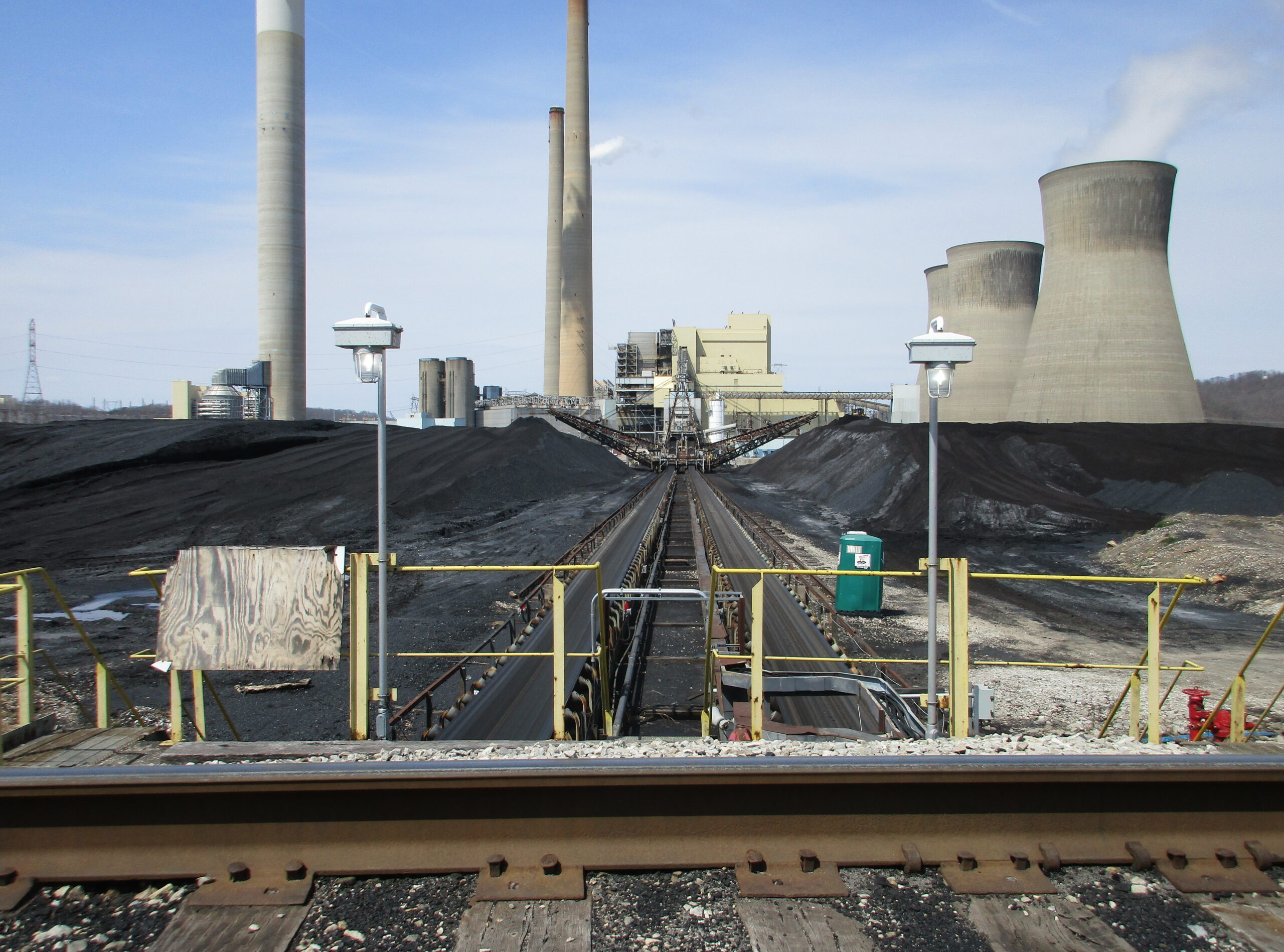
Coal Was the Price Anchor
For decades, coal-fired power plants:
- Produced electricity cheaply
- Ran around the clock
- Stabilized wholesale prices
Coal didn’t need subsidies.
It didn’t depend on weather forecasts.
It didn’t require massive backup systems.
It just worked — and because it worked, it kept electricity affordable for families and businesses alike.
As PJM’s market structure and policy environment sidelined coal in favor of politically favored resources, that price discipline vanished.
A Real Free Market Would Let Coal Compete
This isn’t an argument against innovation. It’s an argument against rigging the market.
A true free-market energy system would:
- Let coal compete on price and reliability
- Value dispatchable, dependable power
- Stop forcing consumers to subsidize intermittent generation and redundant infrastructure
Instead, PJM’s current approach rewards resources that look cheap on paper while shifting their reliability costs onto ratepayers.
What This Means for West Virginia
West Virginia sits atop one of the most abundant and affordable energy resources in the world. Yet families and businesses are paying more because regional market rules devalue the very generation that once kept power cheap and reliable.
If leaders are serious about affordability, reliability, and fairness, the solution isn’t more mandates or more subsidies.
It’s letting the market work.
And that means letting coal work — on a level playing field.
Because when competition is real, prices fall.
And when coal competes, West Virginians win.