


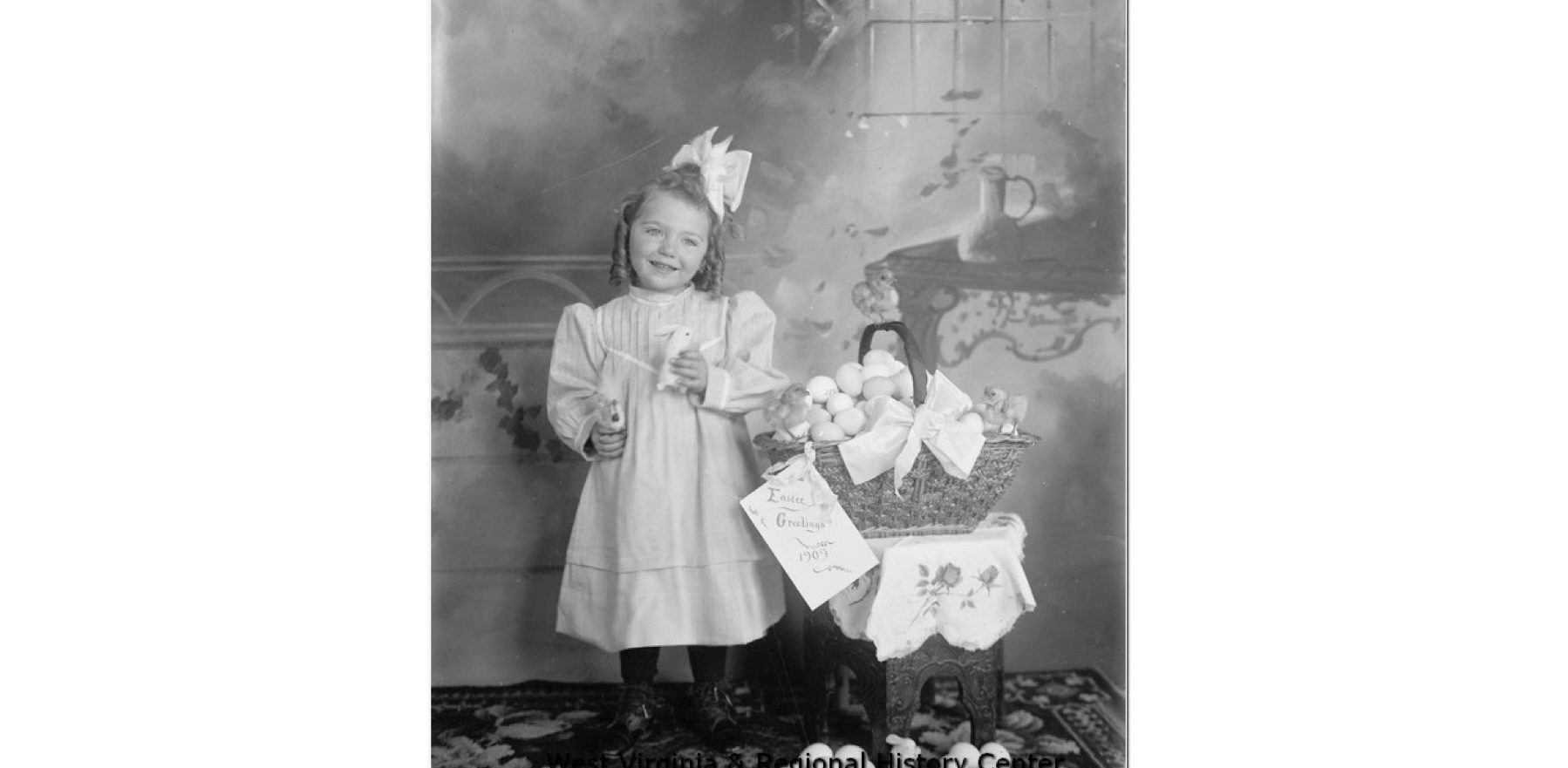
WEST VIRGINIA (LOOTPRESS) – Easter celebrations have been an important part of West Virginia’s culture since the state was first founded. During the early 1900s, Easter celebrations in West Virginia were typically centered around religious observances and family gatherings.
Many West Virginia communities held sunrise services on Easter Sunday, which were followed by large family meals and other festive activities. Easter egg hunts were also a popular tradition during this period.
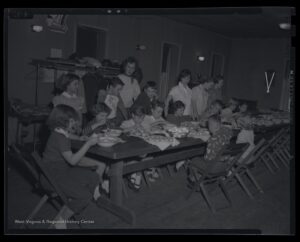
Children would dye and decorate eggs beforehand, hiding them in yards and fields for their siblings and friends to search for on Easter morning. Many West Virginians during the early 1900s would dress up in their finest clothes on Easter Sunday, attending church services and parades that celebrated the holiday.

Easter celebrations in West Virginia during the early 1900s were a significant part of community and family life overall.
The religious significance of Easter played a crucial role in shaping West Virginia’s cultural traditions during this period, with many communities coming together to commemorate the resurrection of Jesus Christ.
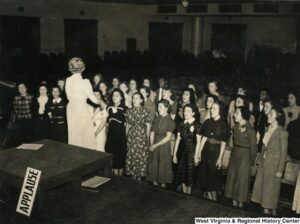
During this time, West Virginia was primarily a rural state with a strong mining and agricultural economy. As such, Easter celebrations served as a form of respite from the daily routines of farming & mining and provided an opportunity for families and friends to come together to celebrate and enjoy each other’s company.
Celebrations of the holiday were also an important way for communities to showcase their creativity and artistic talents. This was evident in Easter egg decorations and the elaborate dress of people attending church services and parades.
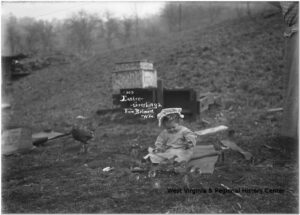
Easter celebrations in West Virginia during the early 1900s were an important aspect of community and family life, playing a significant role in preserving and passing down cultural traditions and serving as a time for gathering, reflection, creativity, and celebration.