


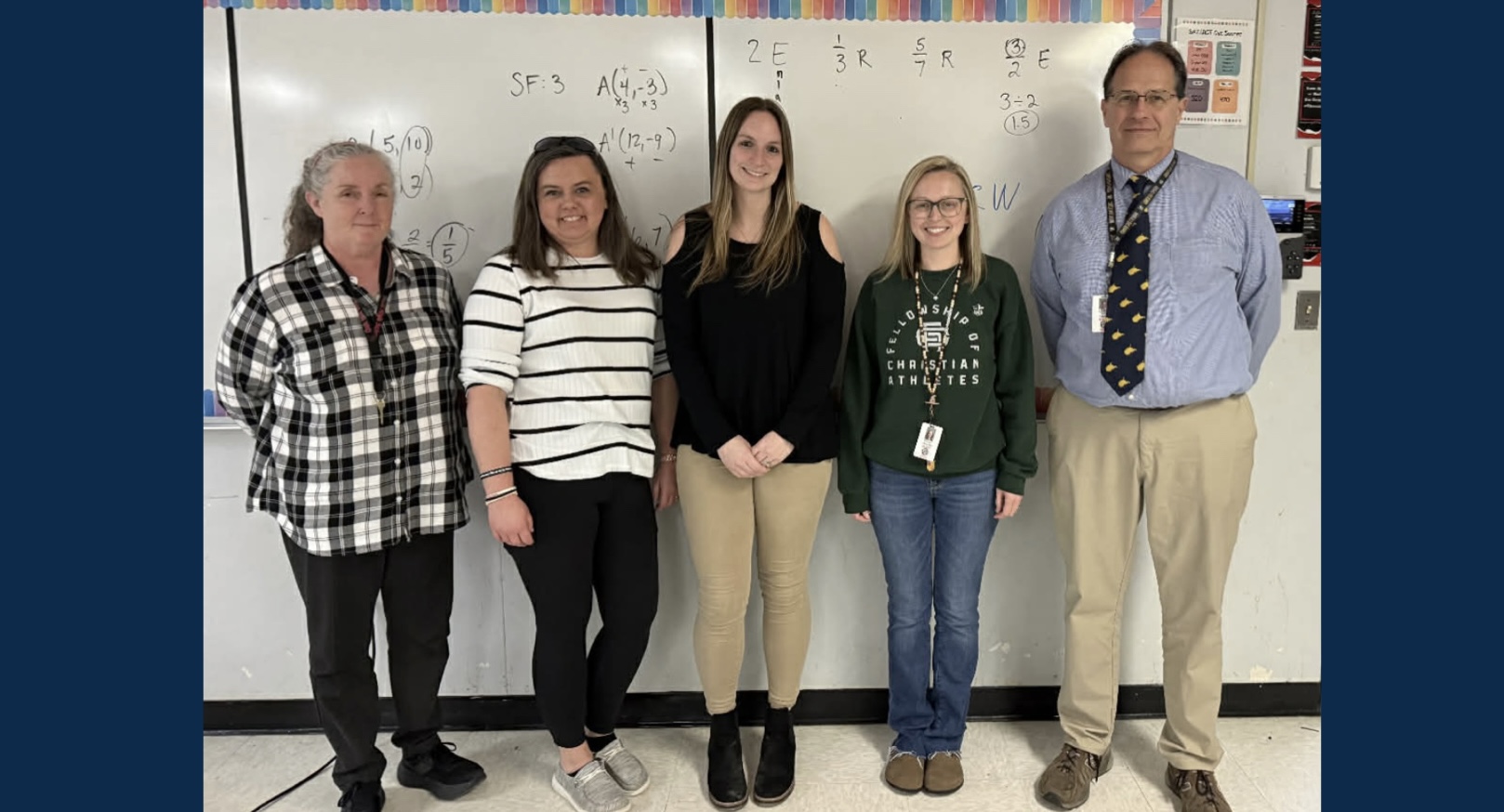
OAK HILL, WV (LOOTPRESS) – For the past five years, teachers in Fayette County—led by a team at Oak Hill High School—have been part of a powerful professional learning community known as the Local Improvement Team (LIT).
Through the Mountaineer Master Mathematics Teacher (M3T) initiative, this teacher-led group works together to identify classroom “bugs,” or challenges that impact student learning, and address them using Plan–Do–Study–Act (PDSA) cycles.
Rather than focusing on large-scale changes, teachers test small instructional adjustments, study the results, and refine their approach.
Over the past five years, this work has involved at least 12 teachers across Fayette County, creating a strong network of educators committed to improving instruction and student learning.
Several educators have been part of the team for multiple years, including Tim Haynie, Stevie Mooney, and Julie Payton. Their continued involvement highlights the value teachers find in the experience.
Haynie says the collaboration is one of the most meaningful aspects of the work. Working not only with colleagues in his building but also with teachers across the state has helped him realize that every school faces similar challenges.
“It’s been great tackling those bugs together,” he shared. “This year has been one of my favorites, especially working with contrasting cases. It’s something I plan to incorporate regularly next year.”
For Payton, the program provides an opportunity to keep learning and growing as an educator. She enjoys exploring new strategies that help keep students engaged and values the chance to collaborate with teachers from other counties.
The experience, she says, continually inspires her to bring innovative ideas back to her classroom.
Mooney appreciates the opportunity to try new strategies and adapt them to fit her classroom routines. One recent focus—Analyzing Common Errors—has already become part of her teaching practice.
In this routine, students examine mistakes and discuss why they might occur, helping them better understand mathematical thinking. She also credits the program with encouraging her to use more complex problems that challenge students to think deeply and persevere.
“I love learning new ideas from others and networking with teachers in person,” she explained.
While the team recognizes the importance of assessment results, their work extends far beyond a single test such as the SAT.
Because team members teach multiple grade levels, their shared goal is to strengthen students’ ability to communicate their thinking, reason through problems, and develop a deeper understanding of mathematics. These skills naturally support success on assessments, but more importantly, they build confident and capable learners.
Throughout the years, the team has explored many classroom challenges. Some strategies have produced strong results, while others required adjustments—or were set aside entirely.
That process of trying, learning, and improving is exactly what makes the work valuable. The M3T framework encourages teachers to experiment, reflect honestly on outcomes, and refine their practice.
Guiding the Fayette County team are Master Teacher Leaders Kristen Shannon and Analea Shepard, who both credit the program with transforming their teaching and helping them grow into stronger leaders.
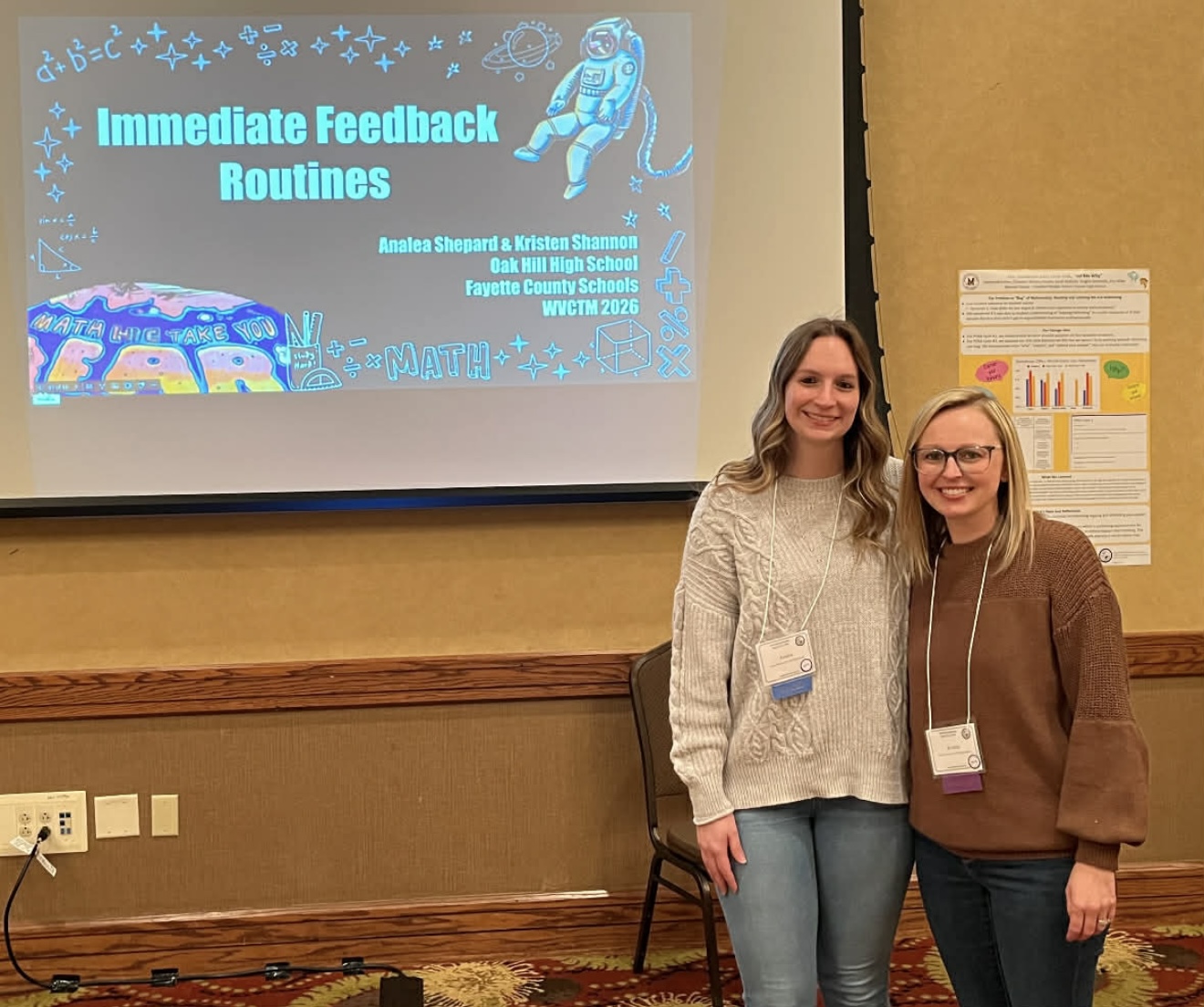
Through collaboration, networking, and shared learning, they believe the experience has strengthened their classrooms and helped them grow as educators.
Most recently, Shannon and Shepard presented their work at the West Virginia Council of Teachers of Mathematics (WVCTM) state conference, sharing strategies on Immediate Feedback Routines and how they can improve classroom management while better preparing students for summative assessments.
Five years in, Fayette County’s Local Improvement Team continues to show what’s possible when teachers lead the work—learning together, trying new ideas, and improving instruction one step at a time.
“We send a special thank you to Fayette County Schools for always supporting this work and trusting its teachers to do the leading,” Fayette County LIT said in a statement.