


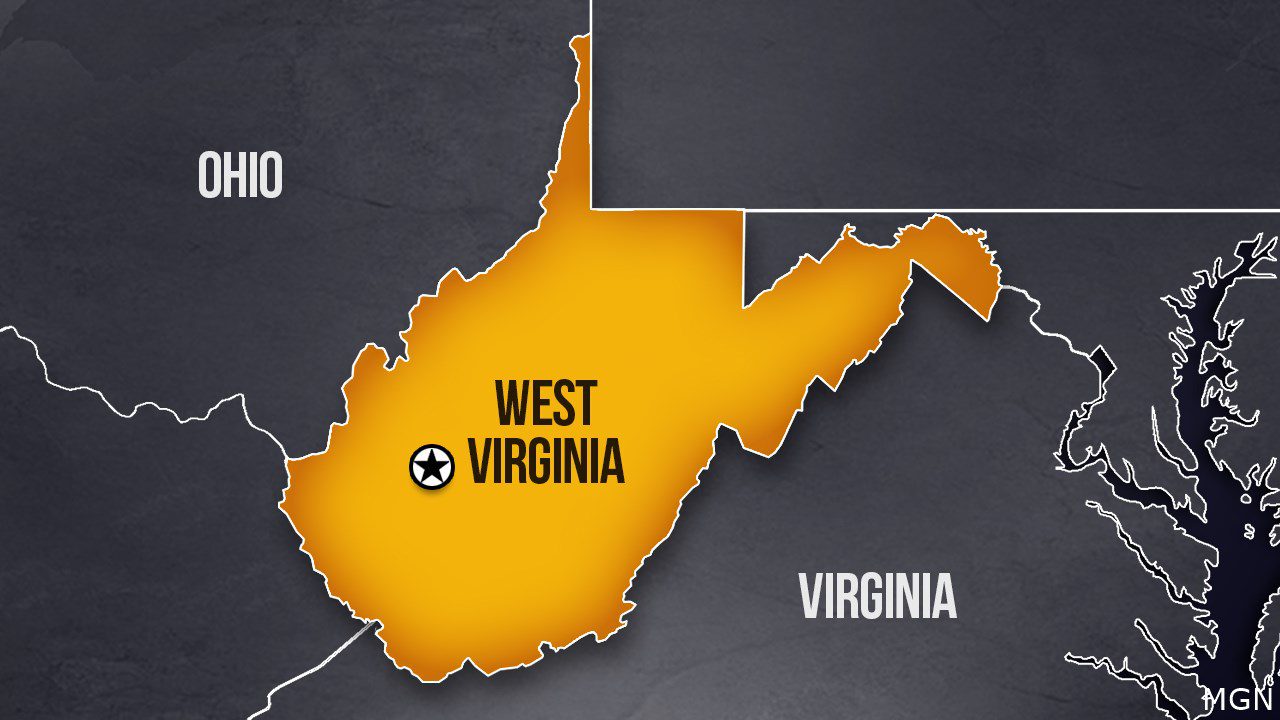
CHARLESTON, WV (LOOTPRESS) – West Virginia’s highway system ranks 30th in the nation for overall condition of its roads and bridges and the cost-effectiveness of its highway program, according to a just-released report by the nonprofit Reason Foundation. The rating is a bump up from 33rd, where the state ranked last year.
“That just goes to show what happens when you focus on maintaining your roads and bridges,” said West Virginia Transportation Secretary Todd Rumbaugh, P.E. “Thanks to the leadership of Gov. Patrick Morrisey in allowing us to do that, we expect to see those numbers jump again next year.”
When Rumbaugh was appointed transportation secretary in 2025, he shared Governor Morrisey’s priority to get “back to basics” and focus on maintenance and upkeep of existing roads and bridges over expanding highway systems. The program includes replacing and upgrading aging bridges all over the state to extend their useful lives.
Compared to its neighbors, West Virginia’s performance is better than Maryland’s and Pennsylvania’s but worse than Virgina’s, Ohio’s, and Kentucky’s.
The state improved most over last year in rural arterial pavement condition, moving from 45th to 36th; and urban congestion, moving from 10th to fifth.
The Mountain State remains 50th in the nation in its number of structurally deficient bridges.
A structurally deficient finding does not mean a bridge is unsafe, but does indicate that a bridge has one or more structural issues that need to be addressed. Rumbaugh believes the new emphasis on statewide bridge maintenance, including smaller, short span bridges, will reduce the number of structurally deficient bridges in coming years.
The Reason Foundation’s “29th Annual Highway Report” ranks state highway systems on cost verses quality, according to the foundation’s website.
“Since states have different budgets, system sizes, and traffic and geographic circumstances, their comparative performance depends on both system performance and the resources available,” the Reason Foundation said. “To determine relative performance across the country, state highway system budgets (per mile of responsibility) are compared with system performance, state by state. States with high rankings typically have better-than-average system conditions (good for road users) along with relatively low per-mile expenditures (good for taxpayers).”