


(LOOTPRESS) – Federal health officials have released updated Dietary Guidelines for Americans, outlining how people can improve their health and reduce the risk of chronic disease through better nutrition at every stage of life.
The guidelines stress that healthy eating is not about perfection, but about building consistent, balanced eating patterns over time. Officials say following these recommendations can help lower the risk of heart disease, diabetes, obesity, and other diet-related conditions.
Focus on Whole, Nutrient-Dense Foods
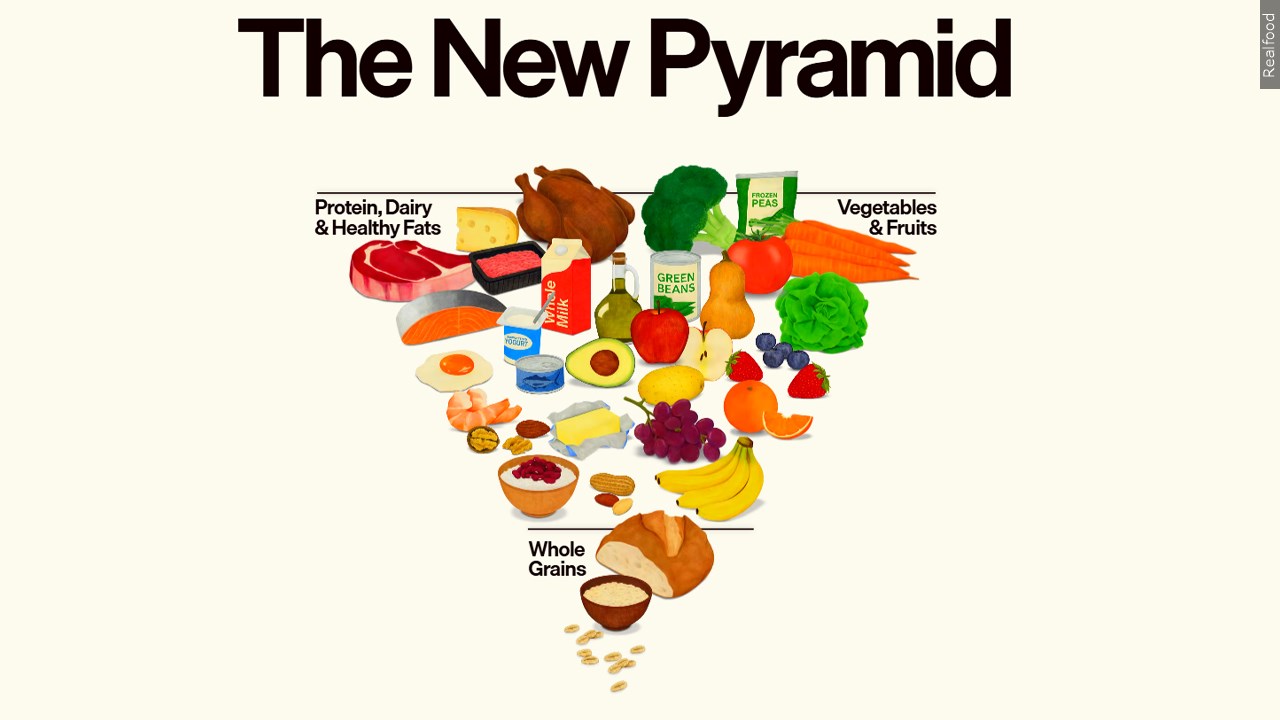
The new guidance encourages Americans to eat a variety of nutrient-dense foods, including:
-
Fruits and vegetables of all colors
-
Whole grains
-
Lean proteins such as seafood, poultry, beans, eggs, and nuts
-
Low-fat or fat-free dairy products
These foods provide essential vitamins and minerals while helping people stay within healthy calorie limits.
Limits on Sugar, Salt, and Saturated Fat
The guidelines advise limiting foods and drinks high in:
-
Added sugars
-
Saturated fats
-
Sodium
-
Alcohol
Officials recommend keeping added sugars and saturated fats to less than 10% of daily calories and reducing salt intake to help protect heart health.
Guidance for Every Stage of Life
For the first time, the recommendations provide age-specific guidance, starting with infancy and continuing through older adulthood. Highlights include:
-
Breastfeeding when possible during infancy
-
Introducing nutrient-rich complementary foods around six months
-
Supporting healthy growth in children and teens
-
Maintaining muscle mass and bone health in older adults
Cultural Flexibility Encouraged
Rather than prescribing one specific diet, the guidelines emphasize flexibility, allowing people to adapt healthy eating patterns to fit cultural traditions, food preferences, and budgets.
Supporting Public Health and Agriculture
The guidelines are designed to guide federal nutrition programs, school meals, and public health initiatives while also supporting American farmers and food producers.
Health officials say the message is simple: small, consistent improvements in diet can lead to long-term health benefits.