


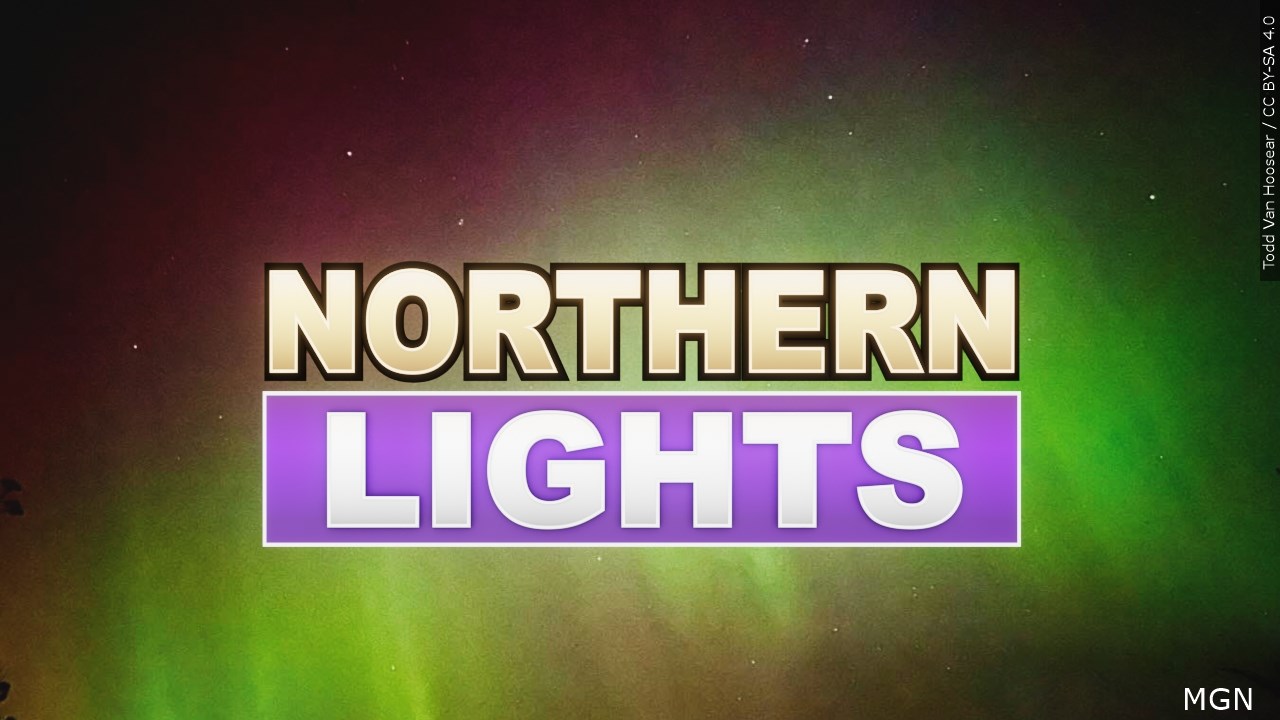
(LOOTPRESS) – Skywatchers across large portions of the United States may soon be treated to a rare celestial event as a powerful solar storm heads toward Earth.
Space weather forecasters say a massive burst of solar energy known as a Coronal Mass Ejection, or CME, erupted from the sun over the weekend and is expected to reach Earth within the next day. The storm could trigger strong to severe geomagnetic conditions, potentially pushing the northern lights far beyond their usual northern range.
According to the NOAA Space Weather Prediction Center and the Met Office, the incoming CME could generate a G3 (strong) or even G4 (severe) geomagnetic storm. If conditions align, auroras could be visible as far south as Alabama and northern California—an unusual sight for much of the continental U.S.
The northern lights form when charged particles from the sun collide with Earth’s upper atmosphere, causing gases like oxygen and nitrogen to glow in vibrant shades of green, red, and purple. The intensity and reach of these displays depend on how the storm’s magnetic field interacts with Earth’s own, as well as local weather and cloud cover.
Experts say the best viewing window is typically between 10 p.m. and 4 a.m. local time, with dark, rural areas offering the clearest views.
Beyond the light show, the solar storm could also bring disruptions. Strong geomagnetic activity has the potential to interfere with power grids, satellite operations, radio communications, and GPS navigation systems. A G3 storm may require adjustments to electrical systems and cause intermittent navigation issues, while a G4 storm could lead to more widespread grid problems and satellite disturbances.
The heightened solar activity comes as the sun remains in its solar maximum phase—the peak of its roughly 11-year cycle—which began in late 2024. Scientists expect increased sunspot activity and stronger solar storms to continue through at least 2026, raising the likelihood of more frequent aurora displays.
Forecasters are still analyzing data from the latest CME and say impacts could shift as more information becomes available. For now, officials advise staying informed and, if skies are clear, looking up—you might catch a rare glow in the night sky.