

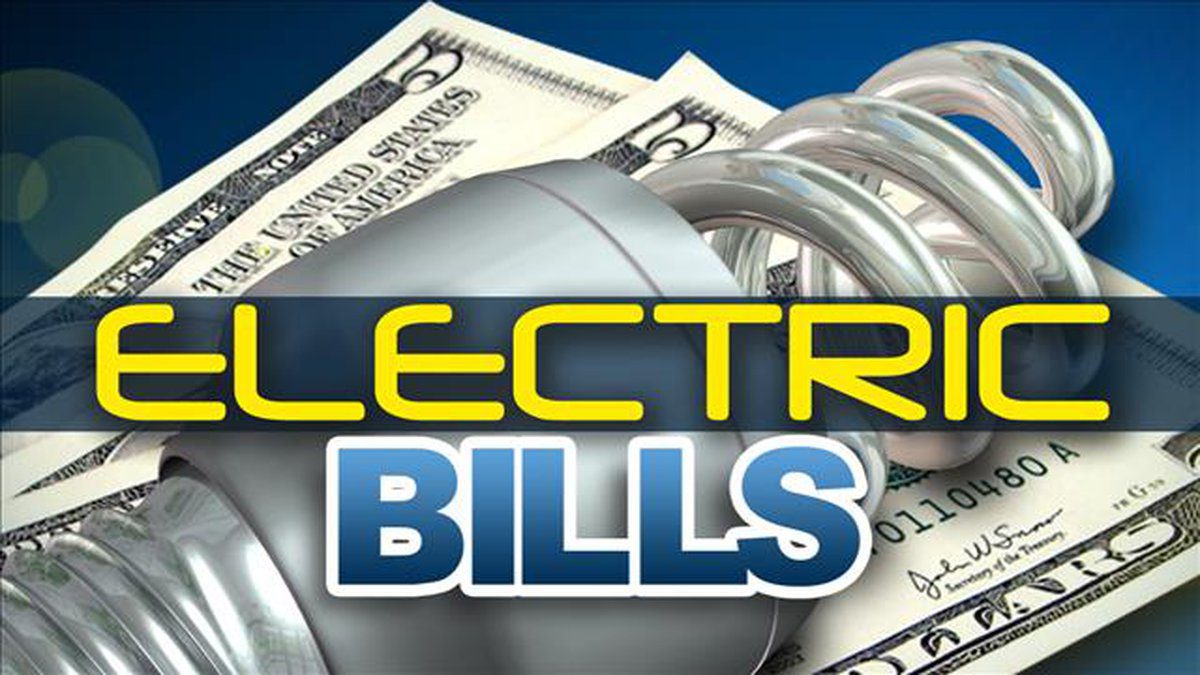
CHARLESTON, WV (LOOTPRESS) — A new energy-price report issued by NEADA warns that rising electricity rates this winter could hit West Virginia households especially hard, adding to mounting financial pressure on low- and middle-income families.
The group’s 2025 winter outlook highlights a sharp increase in electricity prices nationwide — a trend that comes at a critical time for states like West Virginia, where power costs are already climbing.
Why West Virginia May Be Hit Hard
Historically among states with lower electricity rates, West Virginia has seen costs jump in recent years. A recent analysis noted that rising power demands — especially driven by data-center growth and broader regional grid demand — have contributed to higher prices, even for consumers in West Virginia.
NEADA’s report estimates that electric-heat households nationwide will pay roughly 10.2% more this winter, with average heating expenditures climbing from about $1,093 last winter to $1,205 this year.
For many West Virginian families already facing high costs, those increases may come at a steep price: lower-income households may struggle to cover bills, and some could risk utility shutoffs or make tough tradeoffs between energy, food, or other necessities. NEADA’s broader “Energy Hardship Project” has shown that rising electricity costs can quickly push vulnerable families into energy poverty.
Aid Programs May Not Be Enough
To help offset rising costs, state low-income energy assistance programs attempt to provide relief. In West Virginia, the Low Income Energy Assistance Program (LIEAP) and a federally funded weatherization program have helped reduce energy burdens — in some cases by as much as 50% for eligible households.
However, experts warn that such programs may face increased demand this winter — and may still fall short if electricity rates continue climbing sharply. NEADA notes that household energy arrearages nationwide have surged, reflecting growing difficulty for many families to keep up with soaring bills.
Calls for Additional Support & Policy Action
Advocates in West Virginia and across the country are urging state and federal leaders to strengthen support for vulnerable households, expand energy-assistance funding, and consider longer-term solutions for energy affordability — such as weatherization, efficiency upgrades, or targeted subsidies.
What Happens Next
With winter months approaching, West Virginians who rely on electricity for heat are being urged to:
-
Apply for LIEAP or energy-focused assistance programs
-
Use energy-efficiency measures (e.g., weatherization, LED lighting) where possible
-
Monitor utility usage closely and seek help at the first signs of hardship
For many households, the upcoming months may test the limits of financial resilience — and highlight the critical role of government support in preventing energy hardship across the Mountain State.