


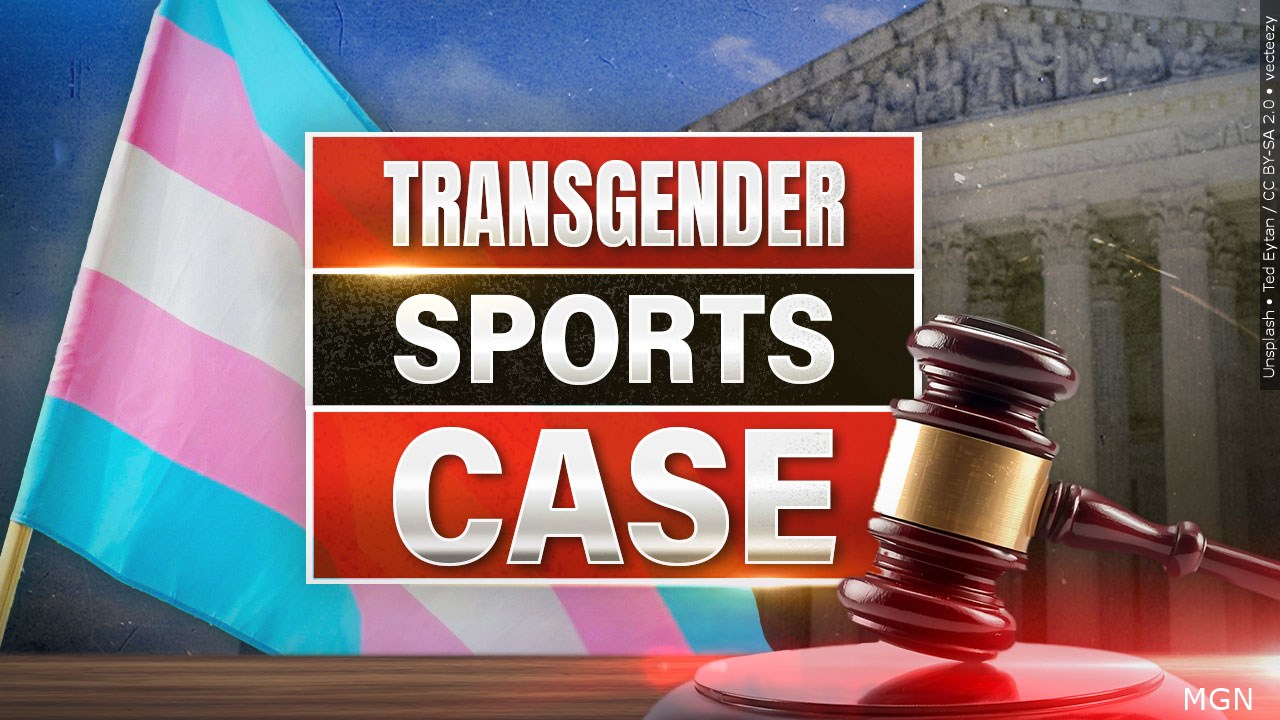
WASHINGTON, D.C. (LOOTPRESS) – The Supreme Court of the United States has upheld West Virginia’s law restricting transgender girls from participating on girls’ and women’s school sports teams, ruling Tuesday that states may enforce such bans.
The decision also upholds a similar law in Idaho and is expected to affect comparable laws that have been enacted in more than half of the country.
Writing for the majority, Brett Kavanaugh rejected arguments that the restrictions amount to unconstitutional discrimination based on sex or gender identity.
West Virginia enacted its law after Idaho became the first state to adopt a transgender athlete ban in 2020. Legal challenges to both states’ laws were supported by the American Civil Liberties Union, which argued the measures violated the Equal Protection Clause of the 14th Amendment and Title IX, the federal law prohibiting sex discrimination in schools.
The Idaho case was brought by Lindsay Hecox, who sought to compete on the women’s track and cross-country teams at Boise State University. After Idaho appealed lower court rulings, Hecox told the Supreme Court there were no longer plans to compete and asked that the case be dismissed.
The West Virginia case centered on Becky Pepper-Jackson, a teenage shot-put and discus athlete who has publicly identified as female since the third grade. According to court filings, Pepper-Jackson is the only known athlete to whom West Virginia’s law has been applied. Last month, Pepper-Jackson won the state’s girls AAA shot put championship.
The legal challenges received support from LGBTQ advocacy organizations, the National Women’s Law Center and 15 Democratic-led states.
Support for the West Virginia and Idaho laws came from the administration of Donald Trump, as well as the United States Conference of Catholic Bishops, The Church of Jesus Christ of Latter-day Saints, about two dozen Republican-led states and athletes who have publicly supported transgender athlete restrictions, including Riley Gaines.