


(LOOTPRESS) – The U.S. Department of Agriculture has confirmed the first detection of New World Screwworm (NWS) in the United States, prompting an immediate response from federal and state animal health officials, including the West Virginia Department of Agriculture.
According to the USDA’s Animal and Plant Health Inspection Service (APHIS), the pest was identified in a 3-week-old calf in Zavala County, Texas. Larvae were discovered in the calf’s umbilical area, marking the first confirmed U.S. case since the pest was eradicated from the country decades ago.
The West Virginia Department of Agriculture (WVDA) said it is actively monitoring the situation and has emergency response measures in place to protect livestock and animal health throughout the state.
Officials emphasized that the nation’s food supply remains safe.
“New World Screwworm does not infest meat, fruits, vegetables, or other food products,” the WVDA said in a statement.
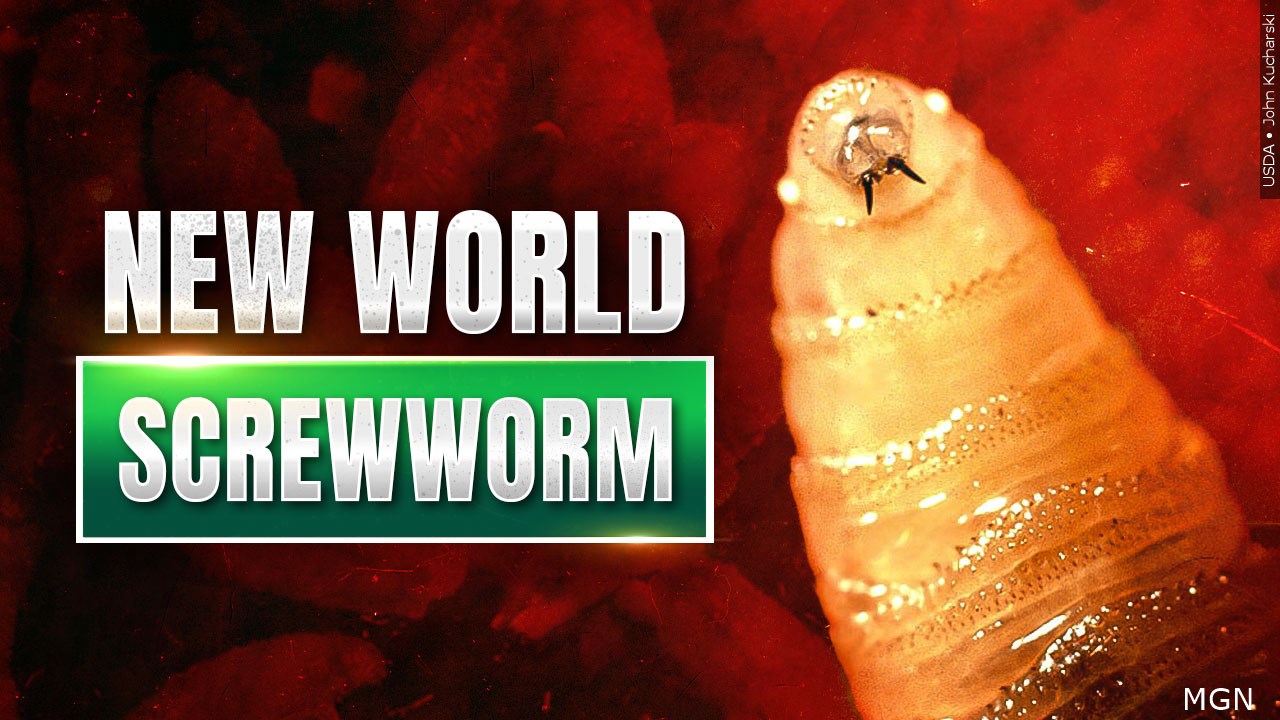
New World Screwworm is a parasitic fly whose larvae, commonly known as maggots, feed on the living flesh of warm-blooded animals. The pest can infest livestock, pets, wildlife and, in rare cases, humans. Unlike common maggots that feed on dead tissue, screwworm larvae burrow into healthy tissue, causing severe wounds, infections and potentially death if left untreated.
Federal officials say there have been no additional detections since the infected calf was discovered.
In response to the finding, USDA and Texas animal health officials have launched an aggressive containment and eradication effort. Measures include establishing a 20-kilometer quarantine zone around the detection site, increasing surveillance, expanding trapping operations and deploying additional sterile screwworm flies to prevent reproduction.
The sterile insect technique was instrumental in eliminating the pest from the United States in the 1960s and 1970s. USDA is currently releasing approximately four million sterile flies each week in affected areas and plans to increase those efforts around the Texas detection site.
USDA Under Secretary for Marketing and Regulatory Programs Dudley Hoskins said officials have been preparing for the possibility of New World Screwworm reaching the United States for more than a year.
“Protecting our livestock industry is a national security issue of the utmost importance, and USDA is wasting no time in taking action,” Hoskins said.
The federal response also includes forming a unified incident command team with the Texas Animal Health Commission, increasing wildlife surveillance efforts, and deploying resources from the National Veterinary Stockpile to support response operations if necessary.
While the detection occurred hundreds of miles from West Virginia, state agriculture officials are encouraging livestock owners and pet owners to remain vigilant.
WVDA advises animal owners to routinely inspect animals for unusual wounds, signs of infection, or evidence of larvae around wounds and body openings, including the ears, nose, eyes, genital areas and the navels of newborn animals.
Symptoms can include enlarging wounds, draining sores, visible maggots and unusual discomfort or irritation.
Anyone who suspects an animal may be infected is urged to contact the WVDA Animal Health Division at 304-558-2214 immediately.
Federal officials also noted that human cases are rare but can occur. Anyone who believes they may have contracted a screwworm infestation should seek medical attention immediately.
USDA officials stressed that meat, poultry and egg products entering the commercial food supply undergo rigorous inspection, and any evidence of screwworm infestation would prevent affected animals from entering the food chain.
For more than a year, USDA has worked alongside Mexico and Central American countries to slow the northward spread of the pest through surveillance and eradication programs. Officials say those efforts delayed the arrival of New World Screwworm into the United States and allowed additional time to strengthen domestic preparedness measures.
The West Virginia Department of Agriculture said it will continue coordinating with federal and state partners and will provide updates as additional information becomes available.


