

(LOOTPRESS) – Snow is easy.
Rain is easy.
Sleet and freezing rain are the problem children.
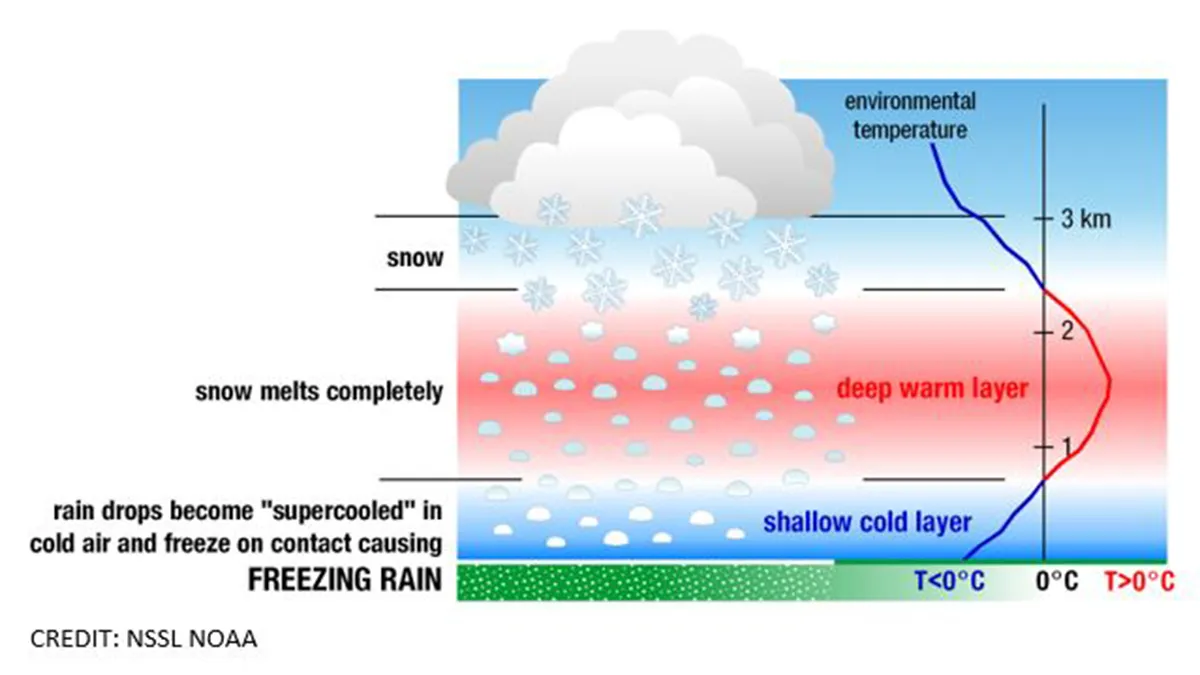
The reason is simple: they depend on temperature layers in the atmosphere, not just the temperature you feel outside.
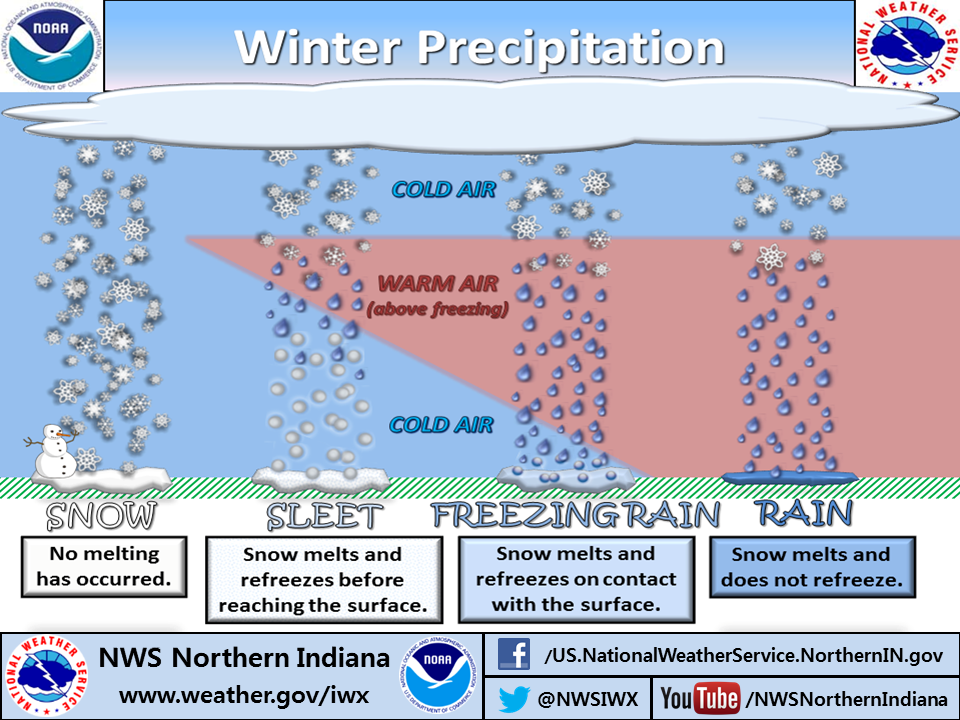
Think of the atmosphere like a layer cake ????:
-
Snowflakes form way up high where it’s cold.
-
As they fall, they pass through different temperature layers before reaching the ground.
Now here’s where it gets tricky:
-
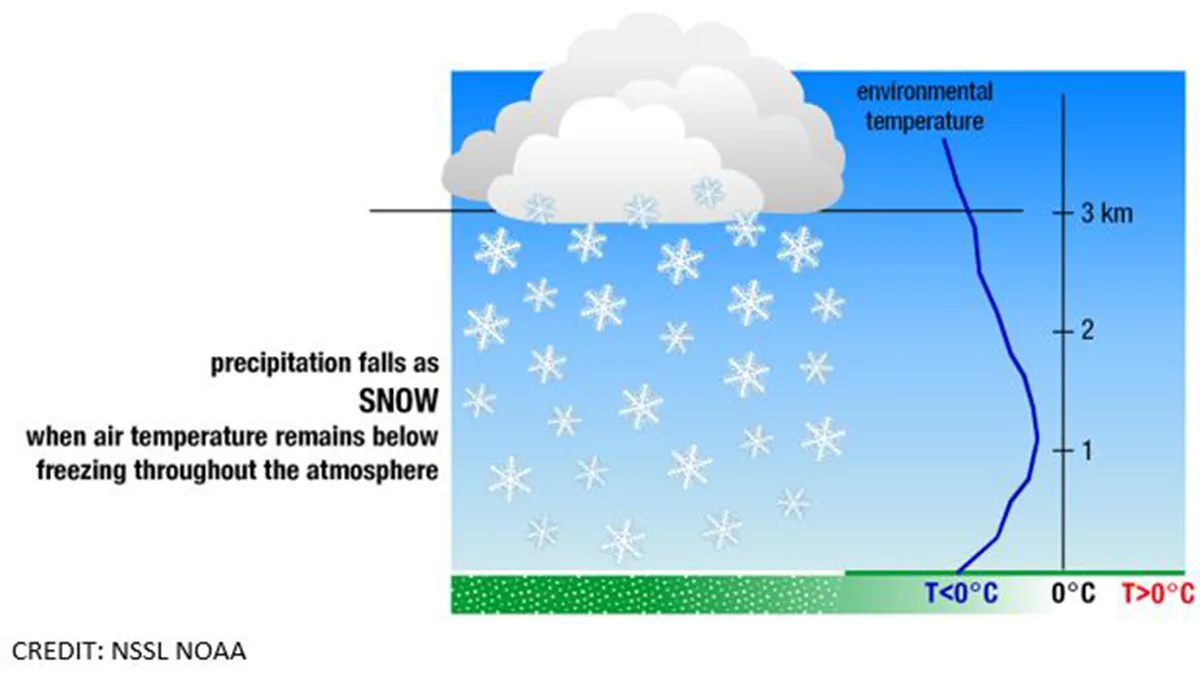
If all the layers are cold, you get snow.
-
If everything is warm, you get rain.
-
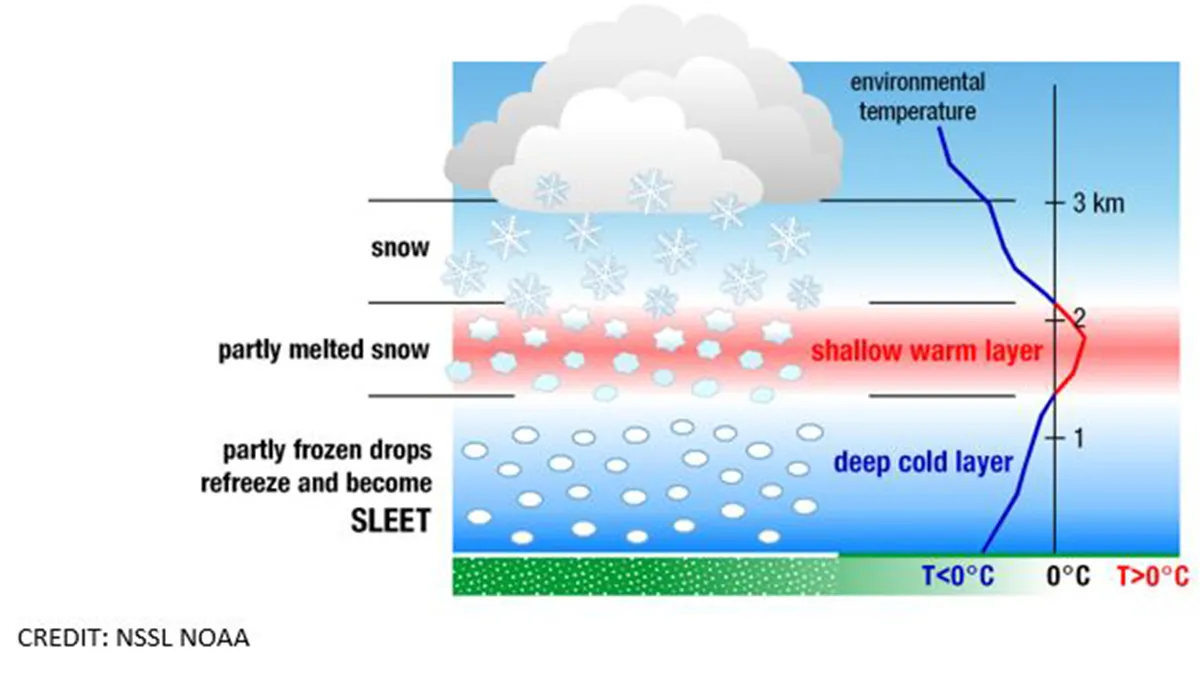
But if there’s a thin warm layer in the middle, things get messy.
The “One or Two Degrees” Problem
For sleet or freezing rain to happen, there has to be:
-
Cold air up high (to make snow)
-
A tiny warm layer in the middle (to melt it)
-
Cold air again near the ground
If that warm layer is:
-
Slightly thicker → freezing rain
-
Slightly thinner → sleet
-
Barely there → snow
And by “slightly,” we’re talking one or two degrees.
That’s it.
One or two degrees — thousands of feet above your head — can flip:
-
18 inches of snow
-
into a crippling ice storm
-
or into cold rain
Why This Changes So Much at the Last Minute
That warm layer:
-
Moves
-
Strengthens
-
Weakens
-
Rises or sinks
Sometimes within hours, sometimes right as the storm starts.
Weather models estimate where that layer will be.
They do not measure it perfectly until the storm is actually happening.
That’s why:
-
Snow maps days in advance are unreliable
-
Ice storms are warned about in terms of risk, not exact amounts
Why Ice Is More Dangerous Than Snow
A lot of people hear “less snow” and think it means “less impact.”
That’s wrong.
-
1 inch of snow = inconvenience
-
¼ inch of ice = power outages, crashes, trees down
So when meteorologists warn about freezing rain or sleet, they’re saying:
“This could be worse than a big snowstorm.”
The Bottom Line (This Is the Key Line)
Sleet and freezing rain happen in a narrow temperature window that is incredibly hard to pinpoint ahead of time.
Forecasts aren’t guesses.
They’re best estimates based on constantly changing data.
That’s why responsible meteorologists say:
-
“A significant winter storm is possible”
-
“The type may change”
-
“Impacts could still be serious”
That’s not hype.
That’s honesty.