


I have never been a supporter of gambling, especially sports betting. Many West Virginians share serious and reasonable concerns about its social costs. But wherever you come down on the issue, West Virginians can agree we should continue to make our own decisions about how gambling companies operate in our state.
We reached a determination about how to move forward in 2018. Back then, my colleagues and I debated the question openly and voted to legalize online sports betting with strict boundaries. The rules we developed protect consumers, ensure accountability for operators, and impose taxes on them to fund key priorities for our state. The outcome reflected the will of West Virginia.
But that state authority is now being gutted by Wall Street-backed companies and their bureaucratic accomplices in Washington. So-called prediction market apps – like Kalshi and Polymarket – push wagers that look, feel, and function exactly like sports betting while deliberately avoiding state law. These companies argue they are something different, operating as federal futures markets and answerable only to the Commodity Futures Trading Commission. They are offering sports gambling nationwide, including in West Virginia, without the state’s approval or its voters’ consent.
West Virginia law is clear about how sports betting may operate here. Take, for example, the Mardi Gras Casino & Resort in Cross Lanes, which last fall announced a partnership with FanDuel to expand regulated sports betting. That partnership shows what works – licensed operators answering to state regulators, paying taxes, and investing locally.
But prediction market platforms comply with none of those requirements, yet still compete directly with state-regulated operators.
The consequences extend beyond jurisdiction. In West Virginia, revenue from legal sports betting supports public priorities like education, senior services, and the conservation of our multiple nationally renowned state parks. When betting migrates to prediction market platforms that contribute nothing to the state, those dollars disappear. Our ability to enforce the laws we passed to protect West Virginians is also seriously undermined.
At its core, this is a states’ rights issue. Each state decides what forms of gaming are permitted, how they are taxed, and what safeguards are required. The CFTC, which has done nothing to restrict the explosive growth of prediction markets it claims to oversee, has no right to dictate how West Virginia structures its gaming system. If a state chooses to allow sports betting, it must be able to regulate it. If a state chooses to limit or prohibit it, that decision should also stand.
In the House of Delegates, we hold the well-being of the West Virginians we represent in the highest regard. But we can only do so much when federal regulators allow the proliferation of prediction markets nationwide and deliberately circumvent state law.
That’s why it is crucial that Congress acts quickly to close this loophole to protect the will of states like West Virginia to allow sports gambling within the bounds of a state-level regulatory framework. As a state legislator who opposes gambling but believes deeply in state sovereignty, I am calling on Senator Jim Justice – who has jurisdiction in this area – to act now. He should defend West Virginia by demanding the CFTC hold prediction markets accountable and shut down their sports bets.
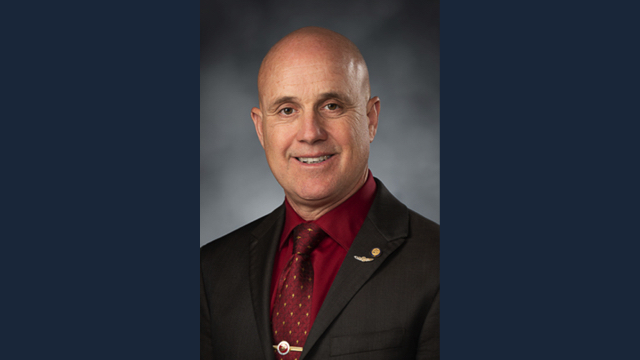
Jim Butler is a member of the West Virginia House of Delegates representing Mason County.


