

This past weekend, my husband and I took our youngest grandson to see Santa at a mall in Columbus. There was no one in line. Most of the stores had been shuttered. The mall traffic was sparse.
I found myself emotional from the experience primarily because of nostalgia. Some of my best Christmas memories are of taking my own children to see Santa at the Charleston Town Center. However, my reaction was also a twinge of sadness for our future. What will happen when malls across the country shutter and close their doors? Where will children see Santa? Will they see Santa? Will the magic of Christmas stay alive?
As a child, I remember my own mother sharing with me the editorial written by Francis Pharcellus, “Yes, Virginia, there is a Santa Claus.” The piece was published in September 1897 in response to a letter from an eight-year-old child named Virginia who wrote to The New York Sun asking whether Santa Claus was real. Over 125 years later, the message from that editorial is needed now more than ever.
We live in an increasingly divisive world. Political arguments and differing opinions on social media are laden with hate and vitriol. Family dinner tables have become places where we avoid difficult or civil conversations (if we are even sitting down to dinner with each other at all). We focus on the “otherness” of our fellow citizens rather than our commonalities. We create villains of neighbors and degrade those less fortunate or privileged. If someone doesn’t share our faith, we shun them. We fail to offer others words of kindness.
I would argue that never has America needed Santa Claus more than this moment. Part of what Santa does for children is reinforce messages of good behavior versus bad. Unfortunately, at this point in our Nation’s history, we are witnessing a tremendous amount of bad behavior. Children are watching adults and learning from us. How we interact and respond to those around us is what they model and aspire to as they grow.
Pharcellus wrote in his editorial all those years ago that Santa Claus “exists as certainly as love and generosity and devotion exist, and you know that they abound and give to your life its highest beauty and joy.” The message to adults (not simply Virginia who posed her question with a childlike inquiry), is simple, it’s up to us to keep the spirit of Christmas and the magic of Santa Claus alive. I would argue that we must do this for the future of our humanity, not just because it’s the Christmas season.
The magic of this season is not in getting but in giving—not just presents but grace to our fellow humans. The smallest gestures can create smiles, warmth, and joy in ways that are immeasurable. I challenge all of us to think about ways we can act in love, generosity, and devotion. There are many around us who are cold, hungry, unhoused. There a those who are lonely and sad this season that simply desire a meal with a friend or even a stranger. You don’t have to be a person of means to reach a handout or offer a hand up to someone around you. Offer grace and forgiveness to someone having a difficult time. Visit with a senior who is alone with no one to celebrate festivities. Share the warmth of a coat, hat, or mittens. Purchase coffee or a meal for the person behind you at the drive thru. Thank a retail worker. Tip a little more to waitstaff. Offer employees an early-out to spend time with family. Send or deliver flowers to someone not expecting them. This is a season of forgiveness, redemption, and light. But we must be that light, not just now, but throughout the year.
The famous literary story, “A Christmas Carol” written by Charles Dickens, said it best—mankind is our business. We all can keep the magic of Santa Claus alive not just through our own words and actions but by teaching our children and the children around us everywhere—that magic exists always in the actions and love of people. Only then, will the spirit of Santa Claus never die for he doesn’t belong at malls or in parades, his spirit belongs in the hearts of all of us all year long.
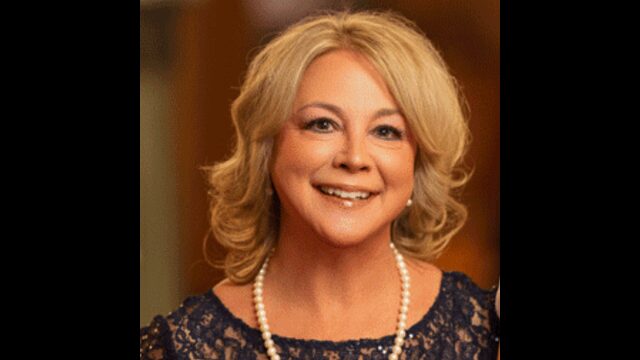
Susan Margaret Murphy is president of the West Virginia Drug Intervention Institute. She lived in Charleston for over 25 years and now resides in Huntington.